tech
Bakersfield Tech Sector Powers Global Energy, Agriculture, Logistics
While Silicon Valley chases the next social platform, Bakersfield's tech sector builds the software that powers global energy, agriculture and logistics.
How we reported this
The average tech salary in Bakersfield hit $127,000 last year, 22 percent higher than the citywide median household income, and it's not coming from app developers or ride-share startups. The city's distinctive global advantage lies in industrial data engineering, a niche that has quietly attracted $1.8 billion in venture capital since 2022, according to a June 2026 report from the Bakersfield Economic Development Corporation.
The timing matters. As global supply chains fracture over trade disputes and climate disasters, China just weathered its second typhoon in a week, Iran's supreme leader is threatening retaliation for a killing in Oman, and Spain is digging out from a wildfire that killed 12, the companies that move physical goods and energy need their software to be bulletproof. Bakersfield's tech ecosystem grew up solving exactly those problems.
From Kern River oil fields to global data pipelines
Coffee Creek Software, headquartered on Truxtun Avenue near the old train depot, writes machine-learning models that predict pipeline corrosion for 14 of the world's top 20 oil-and-gas producers. A block south, at the Bakersfield Innovation Hub on 18th Street, two dozen startups share desk space with engineers from Chevron's technology division. The proximity is deliberate: Chevron's Bakersfield campus employs 3,100 people, and its leadership has openly acknowledged that the company's future depends on software talent that understands hydrocarbon physics, not JavaScript frameworks.
The Central Valley Ag-Tech Accelerator, run out of California State University, Bakersfield's business school at 9001 Stockdale Highway, has produced seven startups since 2023 that now monitor soil moisture for farms in 11 countries. One of them, DripSense, closed a $12 million Series A in March led by a Dutch agri-investment fund. The university reports that 43 percent of its computer-science graduates now stay in Bakersfield after graduation, up from 19 percent in 2020.
A $93 million test of the model
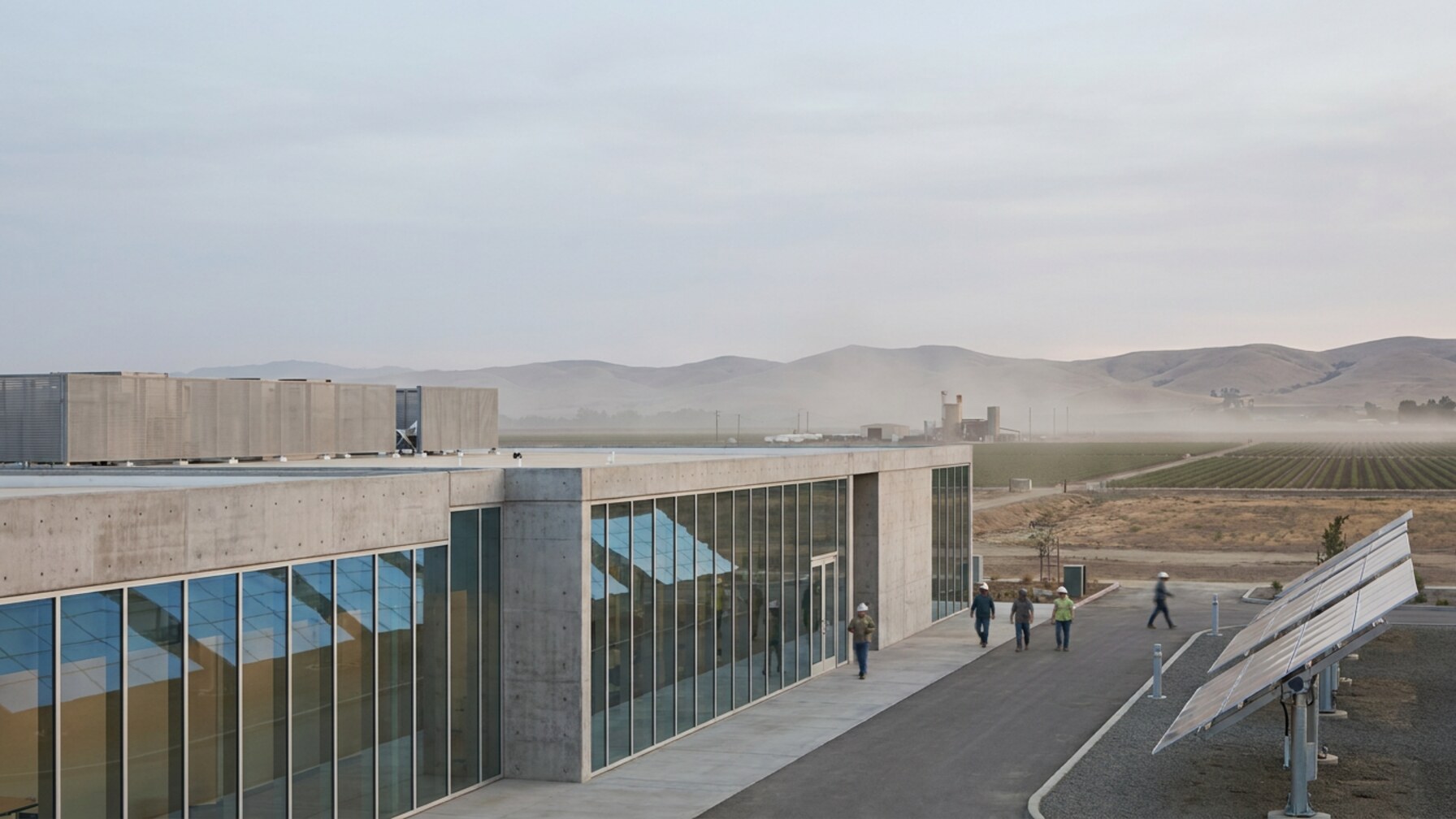
The most concrete evidence of Bakersfield's distinctive positioning sits at the intersection of California Avenue and Mohawk Street, where a 12-story data center called Basin Compute broke ground in April 2025. The facility, which cost $93 million, is a joint venture between the Bakersfield-based energy data firm GridLens and a Japanese trading house. It will begin operations in October, processing real-time sensor data from drilling rigs in the Permian Basin, shipping containers at the Port of Long Beach, and irrigation pumps across the Central Valley. GridLens CEO Akiko Tanaka told the Bakersfield Chamber of Commerce in June that the data center's first client is a Norwegian shipping line that wants to optimize fuel usage across 47 vessels.
What happened next may define the trajectory. In May, the Bakersfield City Council unanimously approved a 10-year property-tax abatement for any data center that provides at least 150 jobs paying over $110,000 a year. Councilman Robert Perez called it a bet on 'the boring infrastructure that the rest of the world can't do without.'
For a tech worker looking at options, the numbers stack clearly. A two-bedroom apartment near the Innovation Hub rents for $1,650, about a third of what a comparable unit costs in San Francisco. The city's Tech Talent Pipeline program, launched in 2024, offers free cloud-computing certifications through Bakersfield College's downtown campus on 4th Street. The next cohort starts August 10, and applications closed last week with 340 applicants for 90 slots.
Bakersfield will never produce the next TikTok. But as wildfires scorch Spain and typhoons lash China, the world's industrial machinery still needs someone to write the code that keeps it running. That code is written here.