news
Voices from Bakersfield Residents on Growing Transport and Traffic Challenges
Community members share their experiences amid mounting concerns over traffic congestion and transport access in Bakersfield.
How we reported this
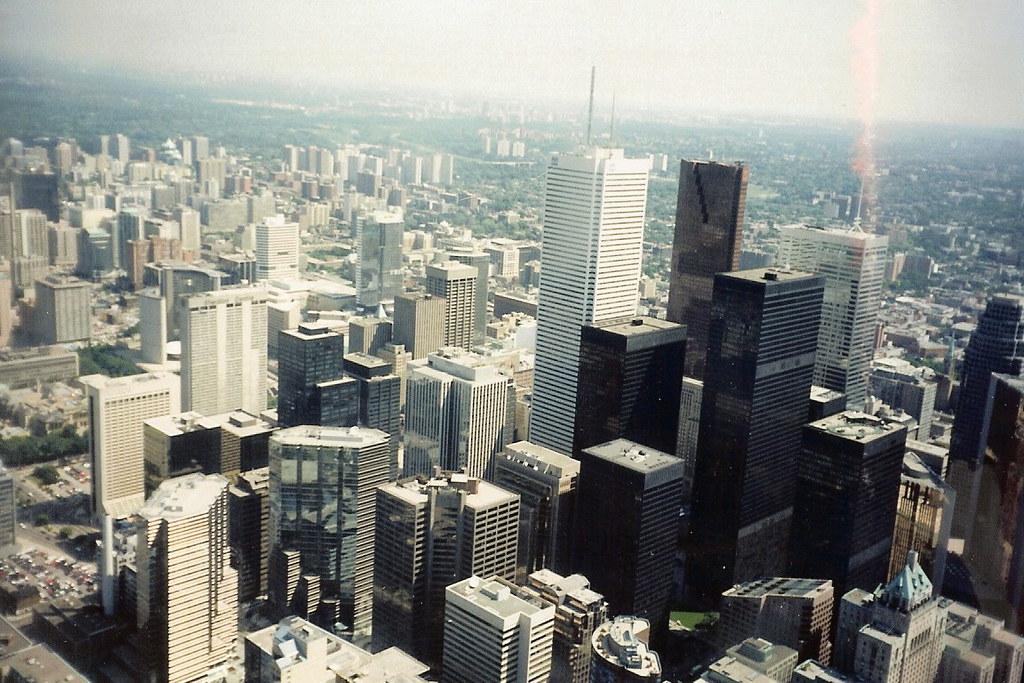
Bakersfield residents are increasingly vocal about the daily struggles posed by transportation and traffic issues affecting their neighborhoods. With congestion worsening on key thoroughfares, local voices highlight the urgent need for effective solutions to improve mobility and safety.
Why Transport Concerns Are Garnering Attention Now
The focus on transport and traffic problems in Bakersfield stems from persistent congestion in residential and commercial areas alike, creating frustration for commuters and potentially impacting local economic activity. Although no new local policy or project was announced this week, the cumulative pressure from residents' experiences signals that transport remains a high-priority issue for city planners and leaders.
Bakersfield's sprawling layout and reliance on personal vehicles contribute to daily traffic backlogs. These challenges can extend commute times and pose difficulties for those without access to reliable transport. The community is urging officials to consider improvements in infrastructure and public transit options to address these longstanding concerns.
Local Perspectives Reflect Daily Impact
Neighborhoods in Bakersfield, particularly those adjoining major streets known for heavy traffic during peak hours, have seen residents recount issues ranging from extended travel times to safety fears for pedestrians and cyclists. Areas near schools and shopping centers have highlighted congestion hotspots where vehicle buildup delays movement and complicates access.
While Bakersfield does not have a cited new traffic statistic or program announcement in the recent input, community members’ ongoing input underscores the qualitative impact on daily lives. Residents report that navigating the city’s main routes has become increasingly taxing, influencing decisions about employment, education, and errands.
Many community advocates emphasize the need to address these transport challenges not only to improve quality of life but also to support equitable access to opportunities across the city. Their calls suggest that without intervention, traffic woes could hinder broader urban development goals Bakersfield is striving to achieve.
Looking ahead, city officials and transport planners are encouraged to engage with local voices and explore concrete options-whether upgrades to road infrastructure, enhanced public transit, or pedestrian and cycling improvements. Such measures could help ease congestion and improve safety, aligning Bakersfield’s transport landscape with residents’ needs.