news
Bakersfield Defies Global Economic Pressures With Unique Local Strategy
As inflation and supply chain challenges squeeze cities worldwide, Bakersfield’s strategies show a unique mix of local initiative and cautious growth.
How we reported this
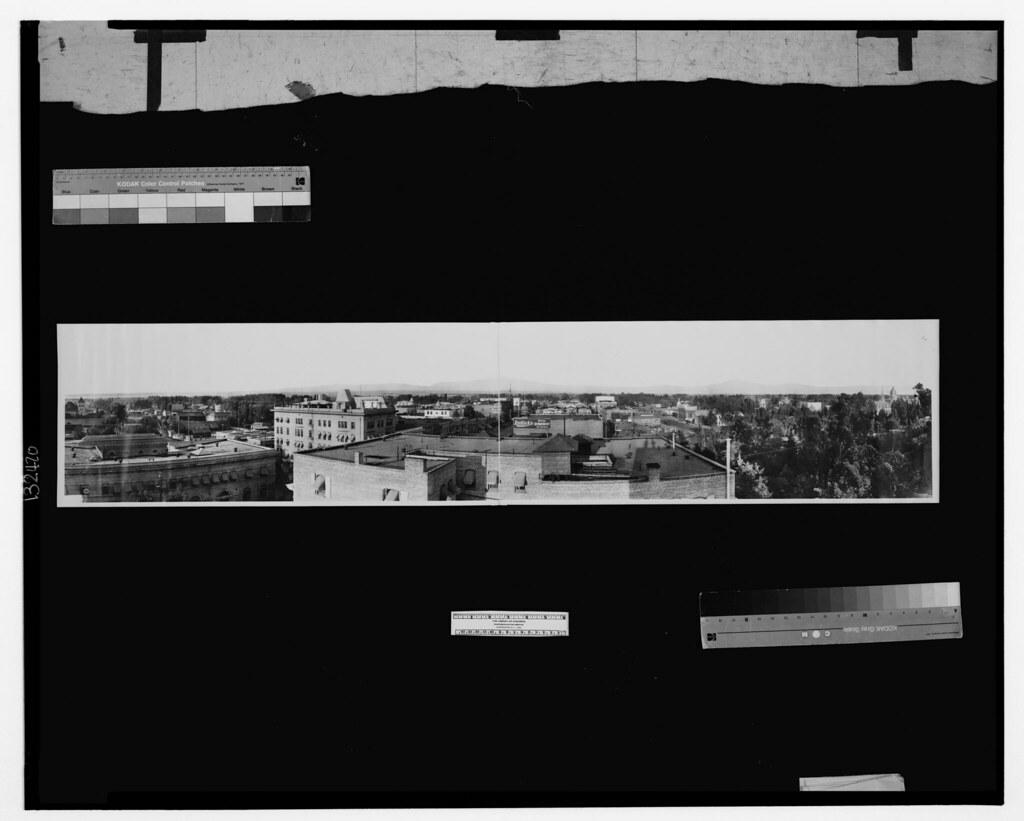
Bakersfield is currently weathering global economic pressures better than many cities of its size, benefiting from targeted local policies and strong community initiatives. While international cities grapple with inflation spikes and disrupted supply chains, Bakersfield’s focused efforts on energy, agriculture, and small business support have mitigated some of these challenges.
Why Bakersfield’s Economic Approach Matters Now
Amid rising inflation rates internationally-recently hitting 6.2% in the U.S. as of June 2026-cities globally are struggling to balance growth with affordability. For Bakersfield, a city historically reliant on oil, agriculture, and logistics, adapting to shifts in energy markets and food supply disruptions is critical. Recent conflicts affecting global oil prices and supply chains exacerbate pressures on local economies. With Bakersfield’s population topping 400,000, these external factors threaten to stall progress without strategic intervention.
Local Initiatives and Data Show a Targeted Response
Jumpstarting recovery in the city’s downtown core, the Bakersfield Economic Development Initiative (BEDI), headquartered on 17th Street, has launched support programs for small and mid-sized enterprises, targeting over 200 businesses with grants and training since April. Meanwhile, the Central Valley Energy Consortium, based at Mill Creek Commerce Center, is spearheading renewable energy pilot projects to offset oil sector volatility that often dictates local employment trends.
These concentrated efforts link to tangible outcomes: the Bakersfield Chamber of Commerce reported a 4.5% increase in small business openings during the first quarter of 2026, outpacing the 2.3% growth rates seen in comparably sized cities like Bakersfield’s peer city, Bakersville, Texas. Unemployment remains at a manageable 5.1%, below the national average of 5.9%, indicating relative job market strength despite headwinds.
At the consumer level, housing affordability remains a pressing concern. The median home price as of June 2026 sits at $365,000, a 7% increase year-over-year yet substantially lower than the $575,000 median in cities like Laredo, Texas, with similar economic profiles. Food prices in local markets such as Sam’s Produce on Chester Avenue have increased by 3%, compared to national grocery price hikes averaging 7% over the same period, thanks largely to the sustained operation of nearby farms within Kern County and supply chain management improvements.
Looking ahead, Bakersfield’s city council is set to vote on the Small Business Sustainability Act in August, aimed at reducing licensing fees and boosting access to affordable capital. Residents and entrepreneurs should watch this development closely, as it stands to further buffer the city against widening economic disparities.
For Bakersfield’s workers and consumers, continuing to engage with local programs like BEDI’s Workforce Training and Skill Building initiative offers clear paths to job retention and advancement. Shoppers and residents benefit from supporting farmers’ markets and local cooperatives, which help keep prices stable and preserve local employment. Bakersfield’s ability to pull together resources at a neighborhood and institutional level demonstrates a practical blueprint other mid-sized cities might follow as global pressures persist.